Which Afghan Chapan Should You Buy?

Sep 03, 2026
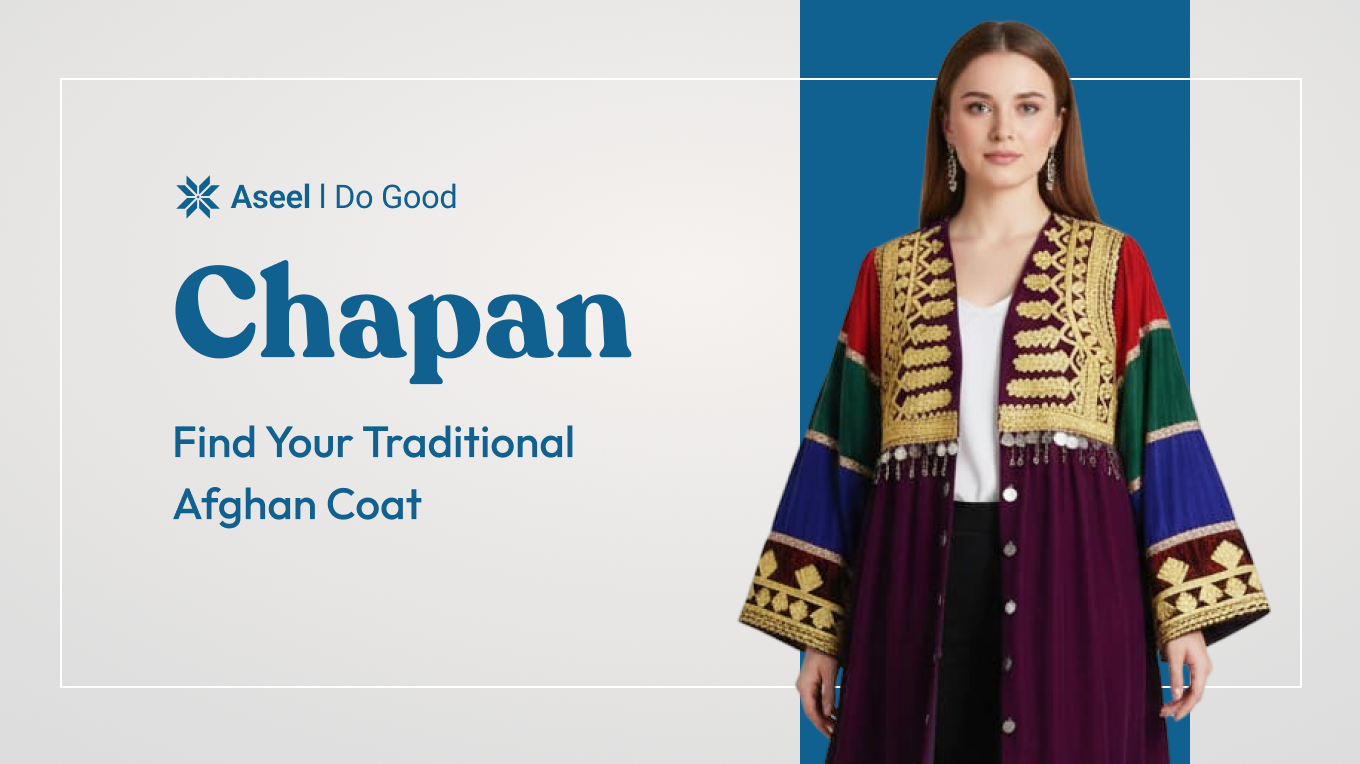
Which Afghan Chapan to Buy, and What It Costs
If you are buying an Afghan chapan, four decisions settle everything else. Wool or silk, which decides what season you can wear it. Short or long, which decides how often you will actually reach for it. Vintage or new, which decides whether it can be repaired. And woven ikat or printed pattern, which is where most of the price sits and the one thing sellers are vaguest about.
Get those four right and the rest is measurement. This post gives you the answer to each, the checks to run before you pay, and the questions that separate a maker from a reseller. The wider wardrobe is covered in the main guide to Afghan clothing.
Start Here: Which One Is Right for You
| If you want | Buy this | Expect to pay |
|---|---|---|
| A real winter coat | Nuristani wool | Mid |
| A wedding or Eid coat | Quilted silk ikat | High |
| Something worn weekly | Short adras chapan | Low to mid |
| A collector's piece | Vintage silk ikat | Highest |
| A first chapan | Short wool or adras | Low to mid |
| A gift | Short, unbelted | Low to mid |
| A women's robe coat | Short silk chapan | Mid |


If you are buying your first one, take the short adras or wool option. It costs least, it goes over ordinary clothes, and it is the version that gets worn rather than admired in a wardrobe. Full-length pure silk is a second purchase.
What You Are Actually Paying For
Five things set the price, and you can check four of them before you pay.
The fibre. Pure silk sits at the top. Adras, a silk and cotton blend, is the workhorse most striped chapans are actually made from and costs considerably less. Handwoven wool sits in between and is priced on the weaving hours rather than the fibre. Adras sold as pure silk is the single most common overstatement in this category.
Woven or printed pattern. A hand-woven ikat costs multiples of a printed one, because the threads are dyed before weaving rather than the cloth being printed after. There is a ten-second check for this below.
Lined, quilted or single layer. A quilted chapan has a face, wadding and a lining, all stitched together by hand. That construction is most of the labour in a silk chapan and all of the warmth.
Hand-woven or mill cloth. Nuristani wool chapans start at a loom in narrow widths that are then joined. That is slow, and it is why a handwoven wool coat costs more than the fibre alone suggests.
New or vintage. Vintage carries a scarcity premium and a condition risk. New carries a maker you can go back to.
Ask which of these you are getting, in writing, before you pay. Any maker answers in one line.


Black Chapan, Chapan With Golden Design and Blue Chapan | Aseel
Wool or Silk: The First Decision
This is the one that decides whether the coat lives in your wardrobe or on a hanger.
Buy wool if you want a coat for cold weather. Handwoven Nuristani wool is dense, genuinely warm, and reads practical rather than ceremonial. It comes in natural creams, browns and greys, sometimes with restrained embroidery at the edges. This is the closest Afghan relative of the Chitrali choogha, and if you want one coat that works from October to March, this is it.
Visit Shop:
Buy silk if you are buying for weddings, Eid, Nowruz and photographs. Striped or ikat silk, usually quilted, usually in jewel tones. Warm enough for an autumn evening, not a winter coat. Green carries the strongest ceremonial association, which is largely why Hamid Karzai's green chapan became the garment's global signature.
Buy adras if you want the silk look at a working price. It is the blend, it drapes almost as well, and it survives ordinary wear far better than pure silk.
One question settles which of the three you are being sold: is it lined, quilted, or single layer? An unlined single-layer silk chapan is a robe coat, not outerwear, and should be priced accordingly.
Short or Long: The Decision That Decides How Often You Wear It
Full-length chapans read traditional and dramatic and are genuinely hard to wear with ordinary clothes. Knee-length and short chapans go over jeans, over a dress, over a peran tunban, and out of the house on a Tuesday.
If this coat is for a specific ceremony, buy full length. For everything else, buy short or knee length. Short chapans are the fastest-growing part of this category for exactly that reason, and Aseel carries a black hand-stitched short women's chapan in silk from Narsees Cloth's Design in Kabul at Aseel.
While you are deciding, know that you will wear it open far more than belted. Open is the everyday way, hanging straight from the shoulders. Belted with a fabric sash at the natural waist is the ceremonial way and makes the skirt flare. Buy for the open silhouette, because that is the one you are buying for daily life.
Vintage or New: What You Get, What You Risk
Vintage is one of a kind and cannot be replaced or easily repaired. New is intact, sized to current bodies, and comes with a maker you can contact.
Before you pay for a vintage chapan, get four answers in writing: the approximate decade, the condition of the silk at shoulders and elbows where wear concentrates, whether the lining is original or replaced, and what repairs have been done. Silk degrades with light and time, so a fifty-year-old coat with perfect silk has been stored well or partly restored, and either is fine when you are told. A vintage listing with no condition notes is a listing to question, not a bargain.
Buy new if you want to be able to go back to the person who made it. Aseel's chapans are new pieces from named artisan shops, so a failed seam is a message rather than a loss.


Real Ikat or Printed: The Check to Run Before You Pay
This takes ten seconds and it is worth more than any other check in this post.
Ask for a photograph of the inside of the cuff or the reverse of the fabric. In true woven ikat the threads were tied and dyed before the cloth was woven, so the pattern is faintly visible on the reverse as well as the face, and the edges of each motif look slightly feathered and imprecise. Printed ikat shows nothing on the reverse and has crisp, perfectly repeating edges.
Both are sold. Only one should carry a woven-ikat price.
Getting the Size Right
The chapan is forgiving because it is straight through the body and worn open, but three measurements still decide the fit.
Shoulder point to shoulder point across your back matters most, because a straight coat cannot be let out at the shoulder. Shoulder seam to wrist bone gives sleeve length, and traditional chapan sleeves run long by design, so say if you want them at the wrist. Shoulder to hem gives you the length decision above.
Between sizes, size up. A chapan worn slightly large looks correct. A chapan worn tight looks like a dressing gown that shrank. The cut is effectively unisex, and women's versions differ by being cut shorter and in lighter silk rather than by being a different garment.
Buying for a Wedding, Eid or Nowruz
Order early, and earlier than you think. Handwoven and hand-quilted coats take weeks, and every workshop is booked solid in the run-up to both Eids and to Nowruz.
For an Afghan wedding, particularly in the north, the chapan goes over a fine peran tunban and an embroidered waskat. Silk or velvet, belted, jewel tone or bold stripe. Grooms wear the heaviest pattern in the room and guests stay a step quieter. Budget for six to eight weeks on a made-to-order silk coat, and four weeks if you are buying ready-made and having it altered.
If your date is inside three weeks, buy ready-made short or wool rather than commissioning, and do not let a seller promise you otherwise.
Buying a Women's Chapan
Autocomplete puts "women" ahead of "men" on this term, and the women's version is cut differently: shorter, to hip or mid-thigh, often with a defined shoulder, usually in lighter silk. That shape is the point, because a short silk robe coat goes over an Afghan dress and over jeans with equal ease.
If you are buying one to wear rather than to display, take the short silk version and keep everything underneath plain. One patterned garment per outfit.

Buying One as a Gift
The chapan is one of the better gifts in this whole category for a practical reason: you do not need exact measurements. Shoulder width and a rough height are enough, and worn open the tolerance is wide.
For a gift, choose short or knee length in adras or wool rather than full-length pure silk, because it will actually be worn. Ask for it to be sent unbelted so the recipient chooses how to style it.
What Sellers Substitute, and How to Spot It
Five garments get sold as chapans and are not.
| Sold as | What it really is | Tell |
|---|---|---|
| Kaftan | Levantine robe | Buttons or tie |
| Kimono | Japanese robe | Square sleeves |
| Bisht | Gulf cloak | Light, sheer |
| Abaya | Gulf overgarment | Fitted, may zip |
| Choogha | Chitrali wool coat | Undyed heavy wool |
A modern zip-front ikat jacket is a nice jacket and not a chapan. The chapan has no front fastening, a straight cut through the body, a long sleeve, and pattern that lives in the weave. If a listing shows a zip, you are buying something else. Buy it happily if you like it, just do not pay chapan money for it.
What to Ask Before You Pay
Four questions. Is the fabric pure silk, adras or wool? Is the pattern woven or printed, and can I see the reverse? Is the coat lined, quilted or single layer? And what are the shoulder-to-shoulder and shoulder-to-hem measurements on the size you are recommending?
A maker answers all four in a sentence each. A reseller who bought a container will manage two. On Aseel every chapan is listed under the artisan shop that made it, so those answers come from the person holding the needle.
Protecting What You Bought
Silk and ikat never go in a machine. Agitation abrades the silk face and dye in a woven ikat can move when soaked. Dry clean only, and tell the cleaner it is hand-woven ikat, because that changes how they handle it.
Never press an ikat chapan directly with a hot iron. Steam from the reverse at a distance, or hang it in a bathroom with the shower running and let the creases drop. Do not press the quilting flat, because the loft in the wadding is the warmth you paid for.
Store on a wide padded hanger so the shoulder does not crease, in a breathable cotton bag rather than plastic, out of direct light, since sunlight fades silk permanently and unevenly. Wool chapans follow the same hanging rule with cedar or lavender nearby against moths.
Frequently Asked Questions
How much does an Afghan chapan cost?
Price follows five things: pure silk against adras against wool, woven ikat against printed, quilted against single layer, handwoven against mill cloth, and vintage against new. Check current listings rather than any figure in an article, and treat an unnamed fabric as a reason to ask.
Should I buy a wool or a silk chapan?
Wool if you want a coat for winter that you will wear regularly. Silk or adras if you are buying for weddings, Eid, Nowruz and photographs. Wool first if you can only buy one.
What size chapan should I order?
Measure shoulder point to shoulder point across your back, shoulder seam to wrist, and shoulder to your preferred hem length. Shoulder width matters most because a straight coat cannot be let out there. Between sizes, size up.
How do I know the ikat is woven and not printed?
Ask for a photograph of the reverse. Woven ikat shows the pattern faintly on the back and the motif edges look feathered. Printed ikat shows nothing on the reverse and has crisp repeating edges.
Is a chapan warm enough for winter?
A handwoven wool chapan is. A quilted silk one suits autumn and spring. An unlined single-layer silk one is a robe coat, not outerwear. Ask whether it is lined or quilted before buying.
Is a chapan unisex?
The traditional cut effectively is. Women's chapans are usually cut shorter and in lighter silk, which is a different shape rather than a different garment.
What is the difference between a chapan and a choogha?
A chapan in the classic form is silk or silk-faced and reads ceremonial. A choogha is the Chitrali wool coat in heavy undyed wool and reads practical. Nuristani chapans sit close to the choogha end.
Should I buy vintage or new?
Vintage for a one-of-a-kind piece, accepting it cannot be replaced or easily repaired. New for intact silk, current sizing and a maker you can go back to. Either way, get condition and lining details in writing.
How long does a made-to-order chapan take?
Weeks rather than days, and longer before both Eids and Nowruz. Get a stated lead time in writing before paying a deposit, and order six to eight weeks ahead of any fixed date.
Can I wash a silk chapan at home?
No. Dry clean only, and tell the cleaner it is hand-woven ikat. Steam from the reverse rather than pressing, and never flatten the quilting.
Ready to Buy
You need two numbers and two answers. Your shoulder-to-shoulder measurement, your preferred hem length, whether you want wool or silk, and confirmation that the pattern is woven rather than printed.
Layer it over your first peran tunban. Add a pakol or karakul, compared in our Afghan hats guide. Add a patu for the coldest weather. And for the whole wardrobe, read the main guide to Afghan clothing.

Media Inquiries
For media inquiries, press requests, or interview opportunities related to this article or Aseel, please contact:
About Aseel
Aseel is a tech-driven startup providing a digital marketplace where artisans can sell their one-of-a-kind handcrafted products while supporting humanitarian efforts worldwide. We champion using practical skills to create the positive impact businesses and communities deserve. Aseel's intuitive platform empowers thousands of makers by connecting them with a global audience. Transparency and privacy are at the heart of everything we do. Our dedicated customer service team is available anytime to assist clients through our secure and protected platform.
Follow Aseel on Google
Add Aseel as a preferred source on Google to see more of our stories in your Search results.